Architecture, under the AI influence
feed of wind speeds
pollution-PM2.5
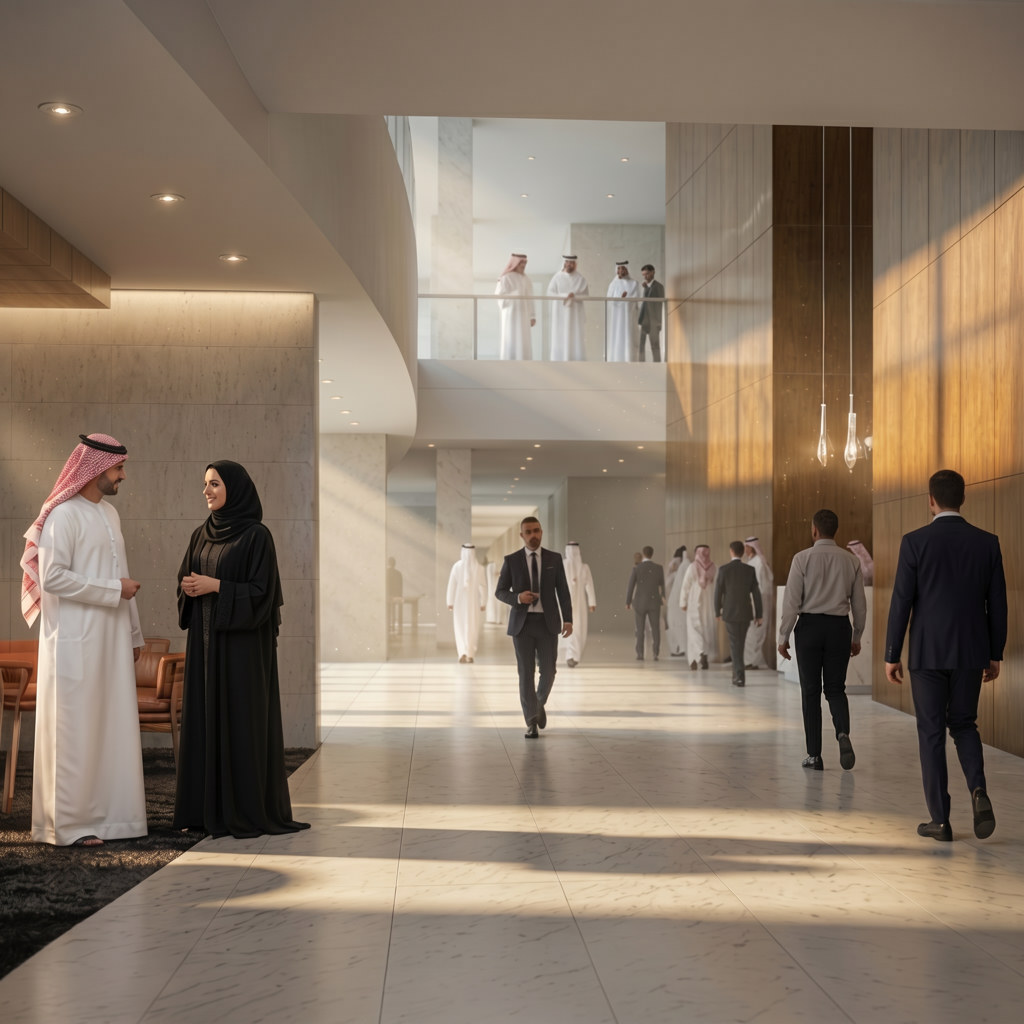
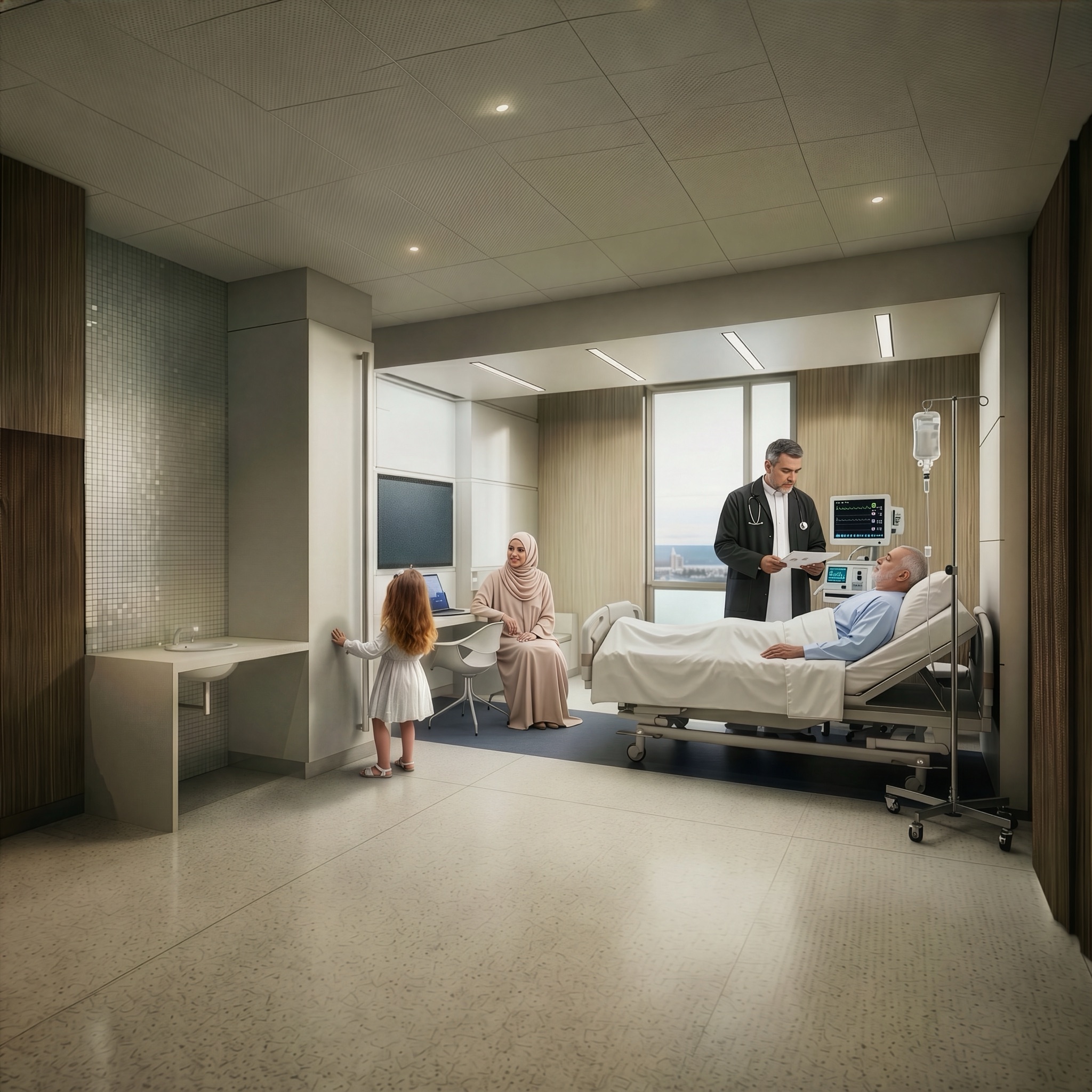
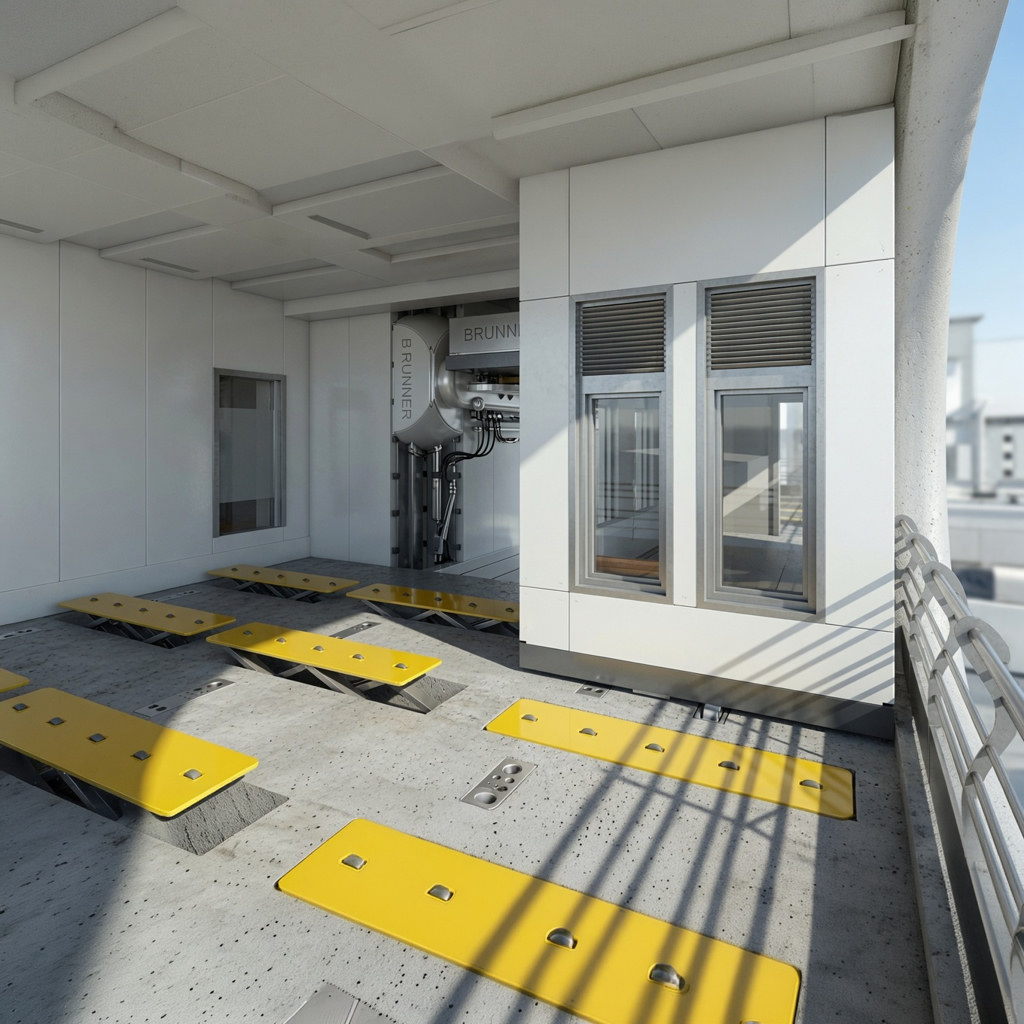
Jeddah Hospital 2014*
Jeddah Hospital 2014*
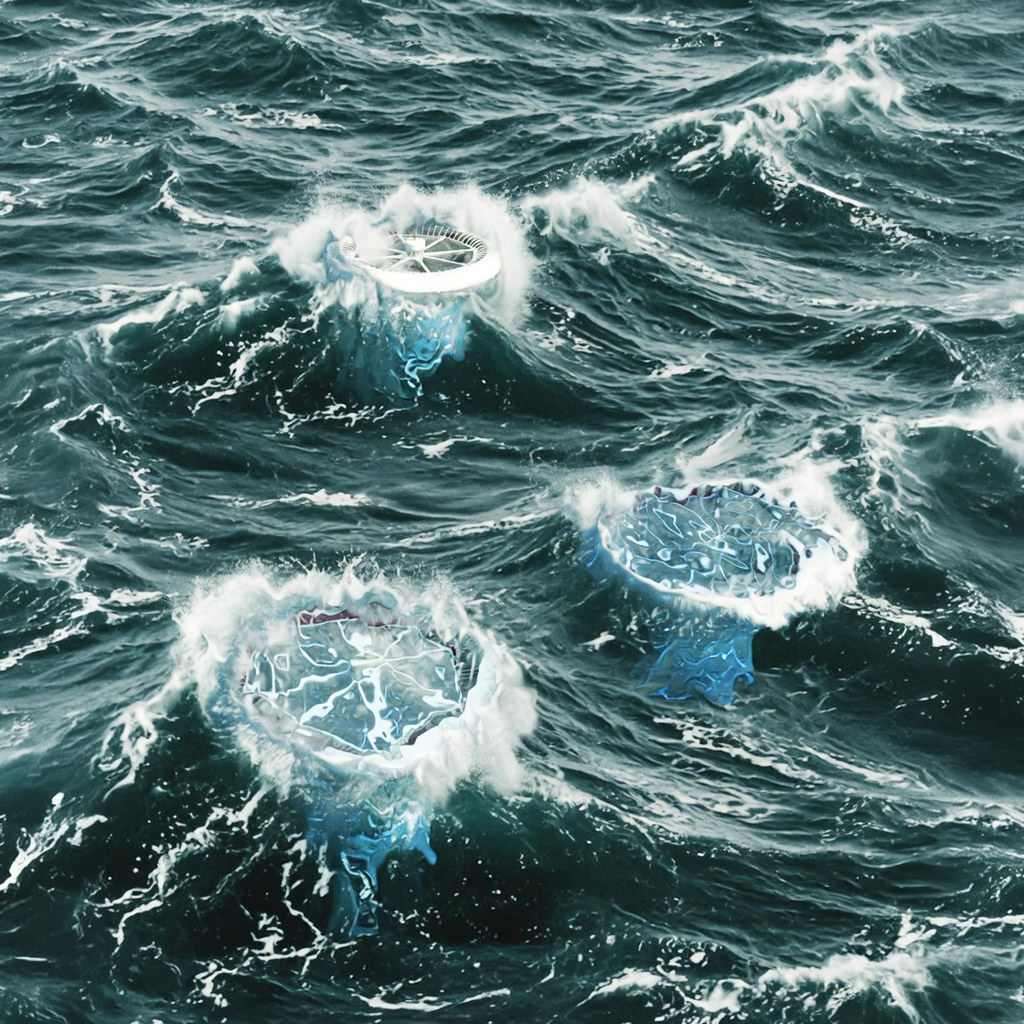
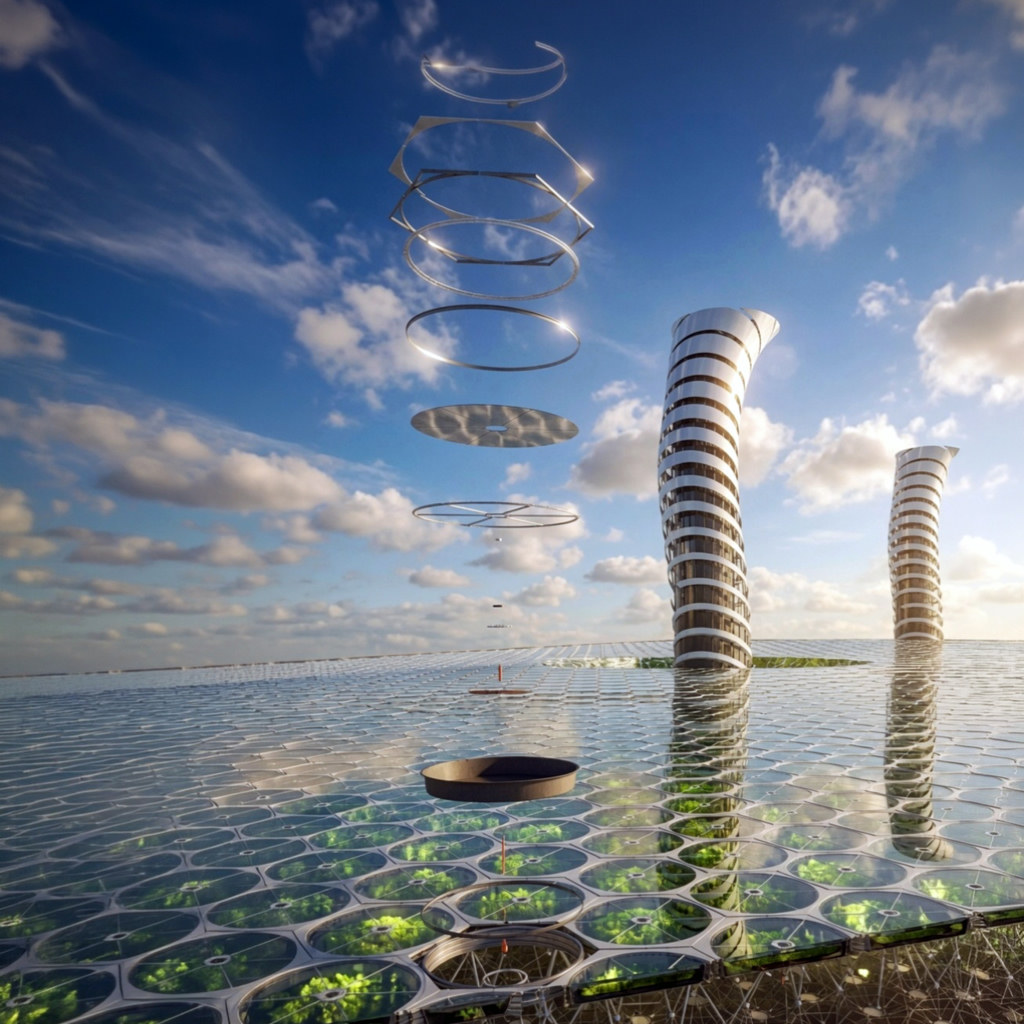
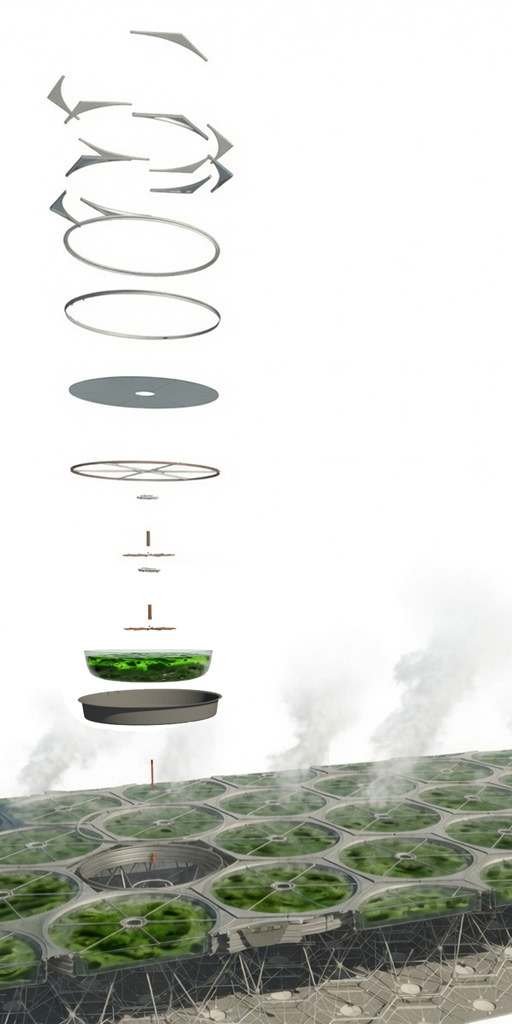
biomimicry - blue dot mercury filter 2017 - award winner
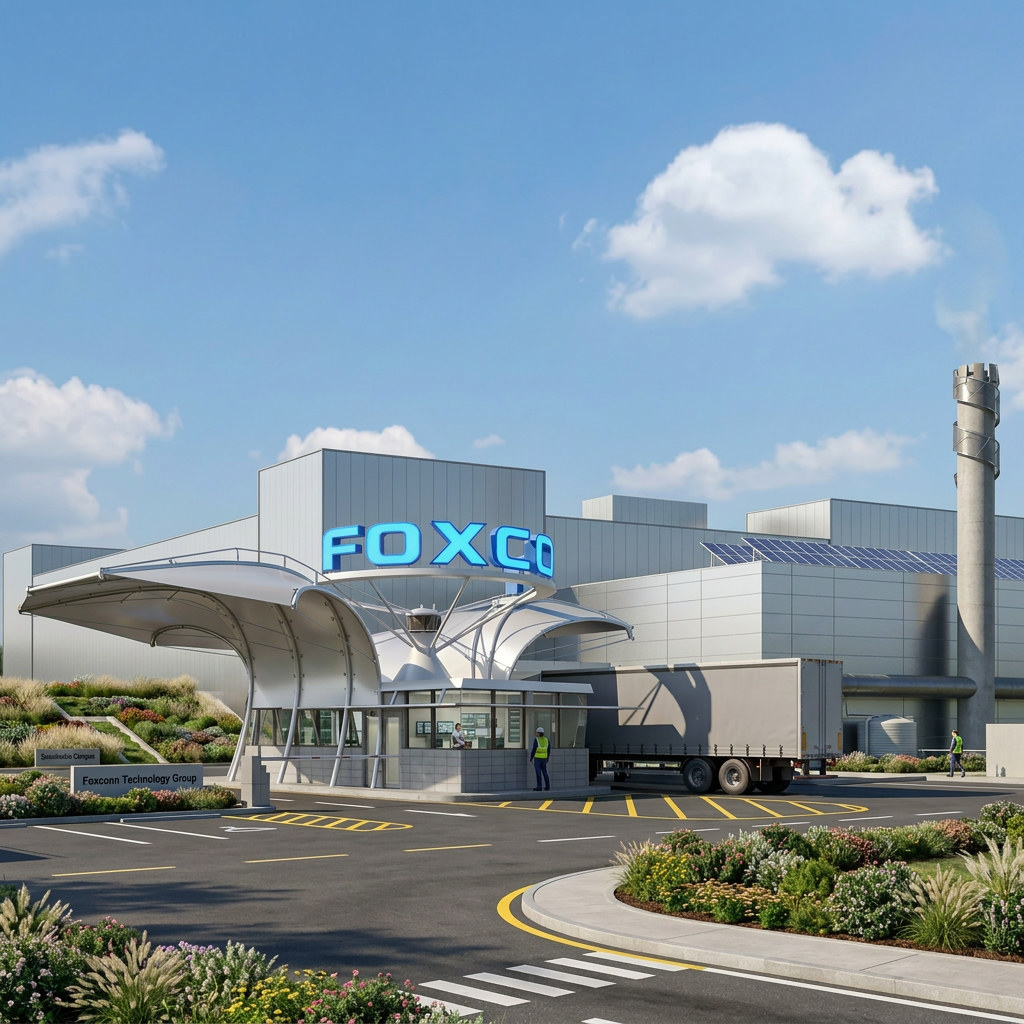
Manufacturing campus entrance - China 2017
LOAD 2018 - 2nd place award winner
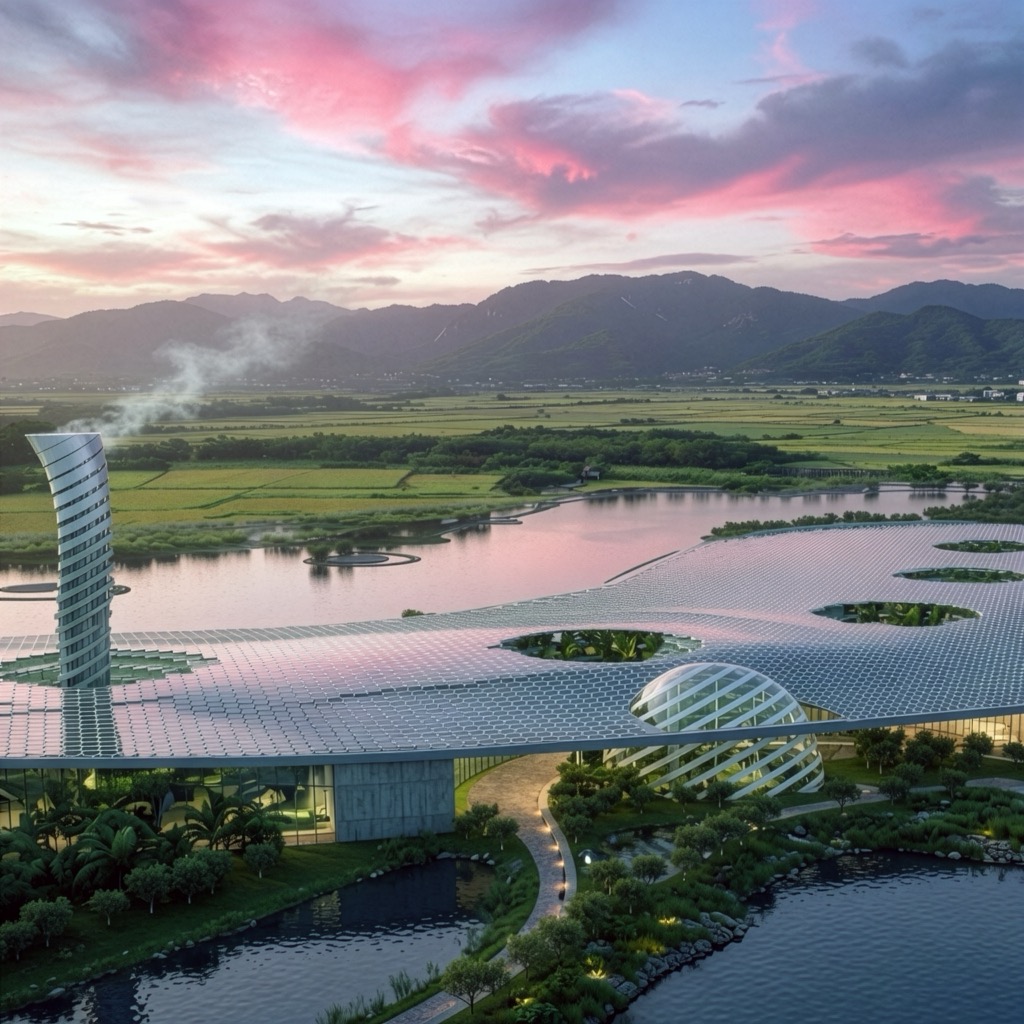
Hsinta Power Plant 2018 - Award winner
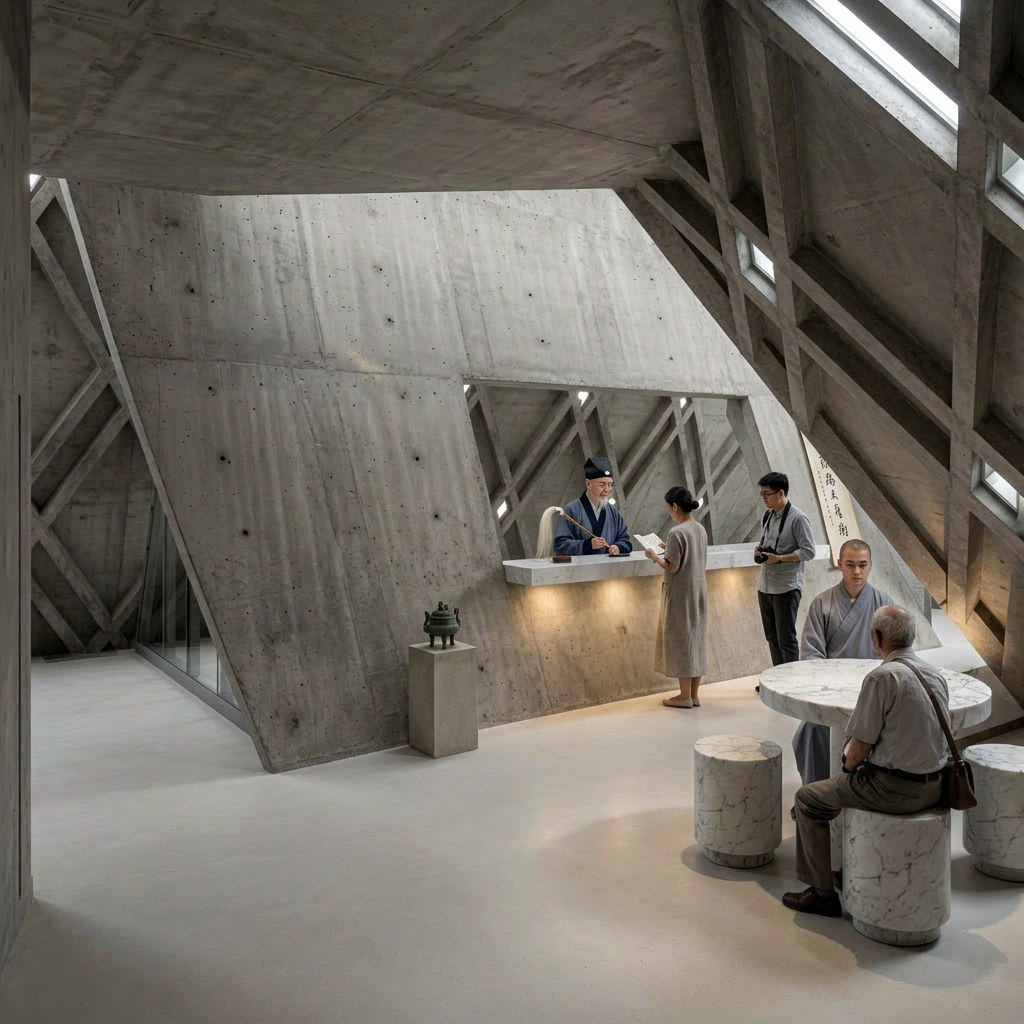
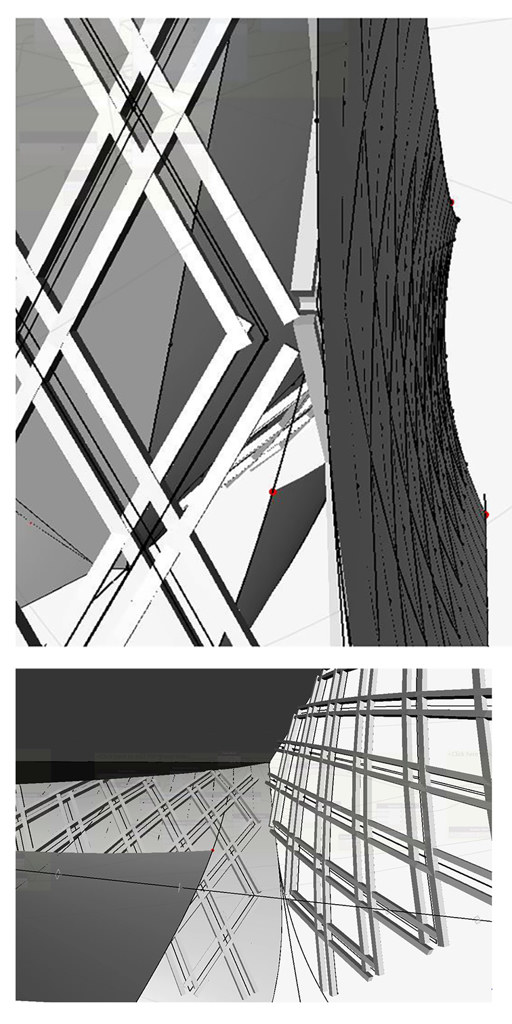
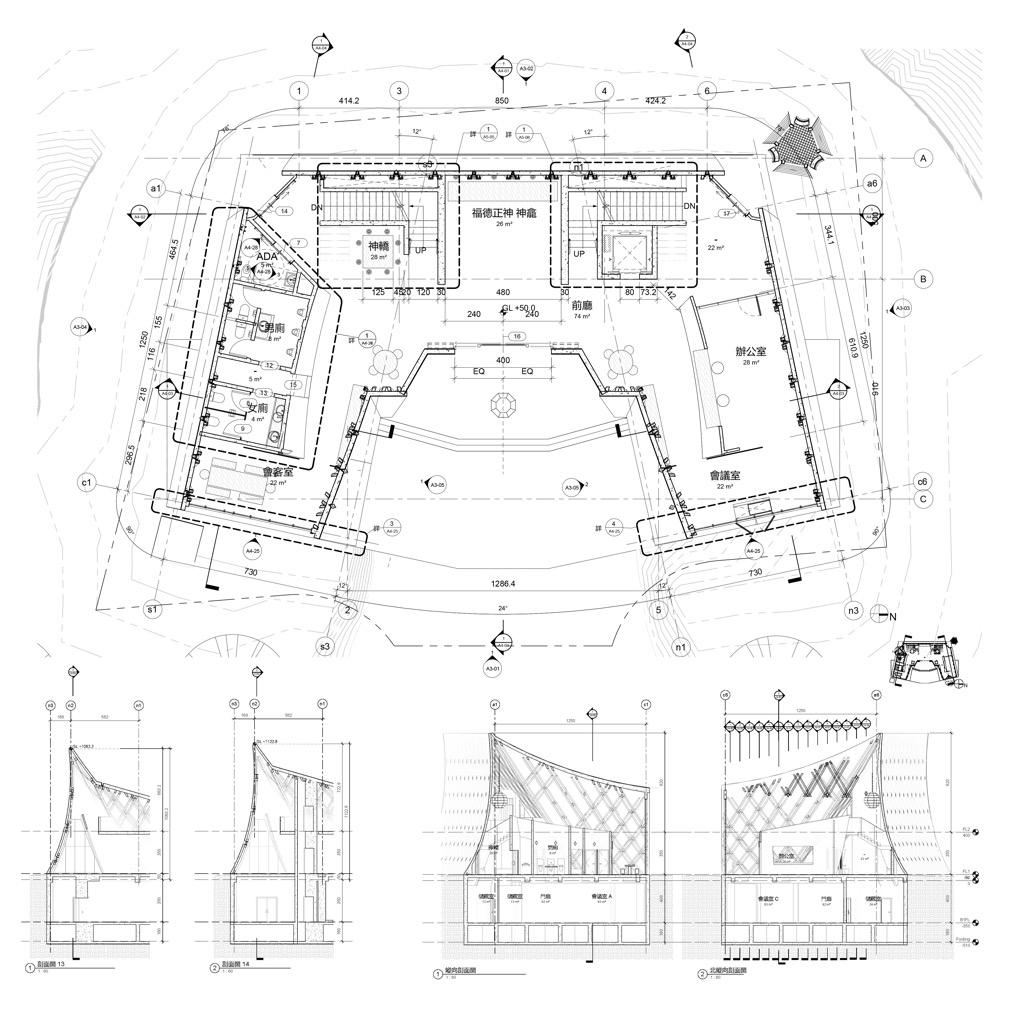
Daheli Fude Temple - Taiwan 2021*
54 Jeff - 2013
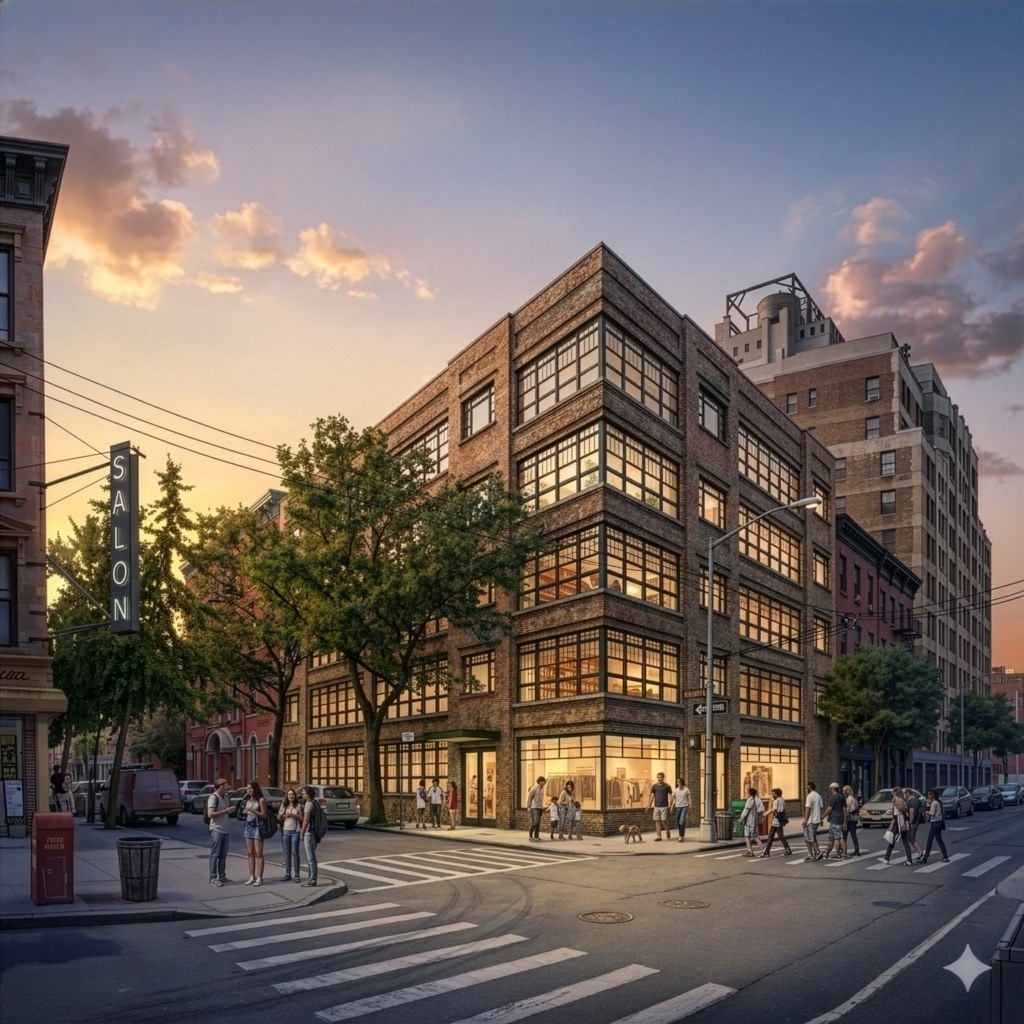
70 Henry St - 2012
Jeddah Hospital 2014*
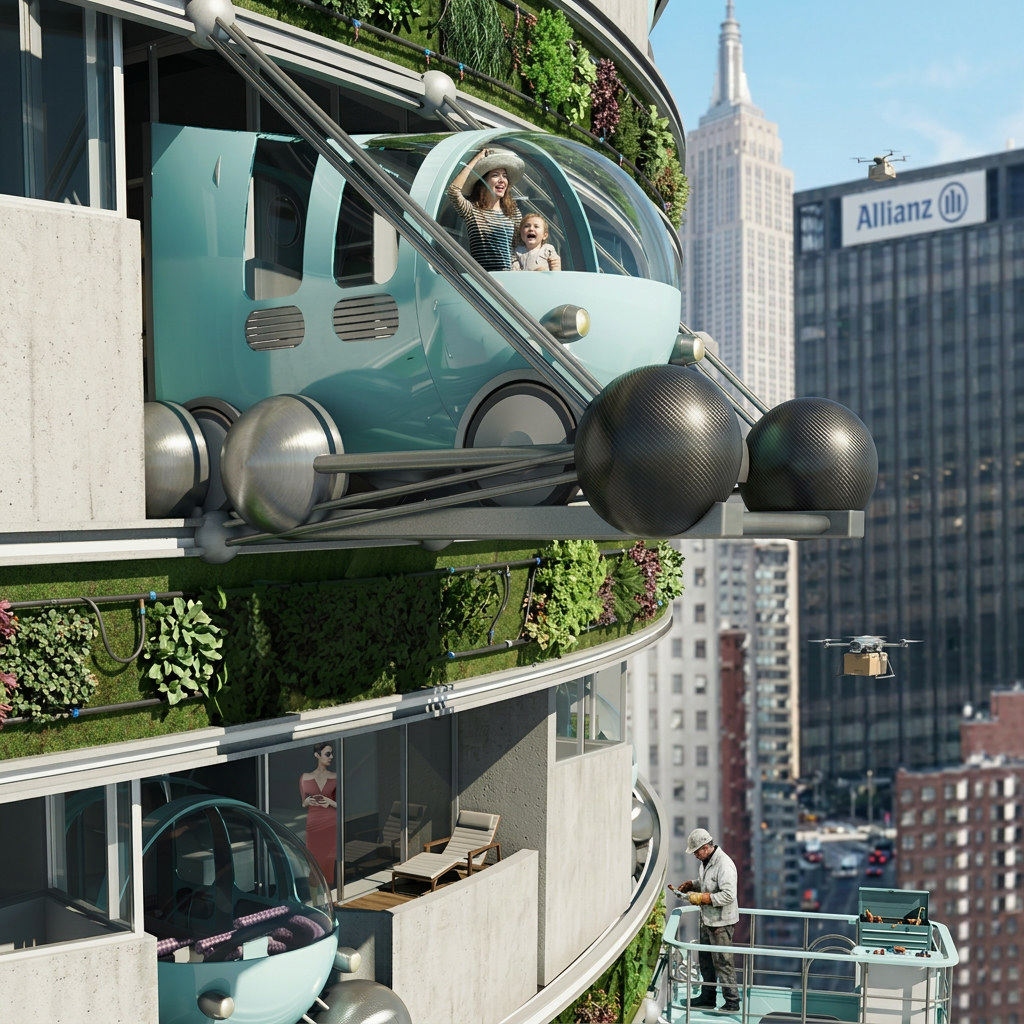
Network Tower - 2018
biomimicry - blue dot mercury filter 2017 - award winner
54 Jeff - 2013
Hsinta Power Plant 2018 - Award winner
Network Tower - 2018
70 Henry St - 2012
LOAD 2018 - 2nd place award winner
Daheli Fude Temple - Taiwan 2021*
Hsinta Power Plant 2018 - Award winner
Manufacturing campus entrance - China 2017
A building should not sit upon the environment. It should live within it: taking from the world around it, and giving back in kind.
.CARNELL
Practical AI-assisted tools for architectural workflows
Building AI for the Built Environment
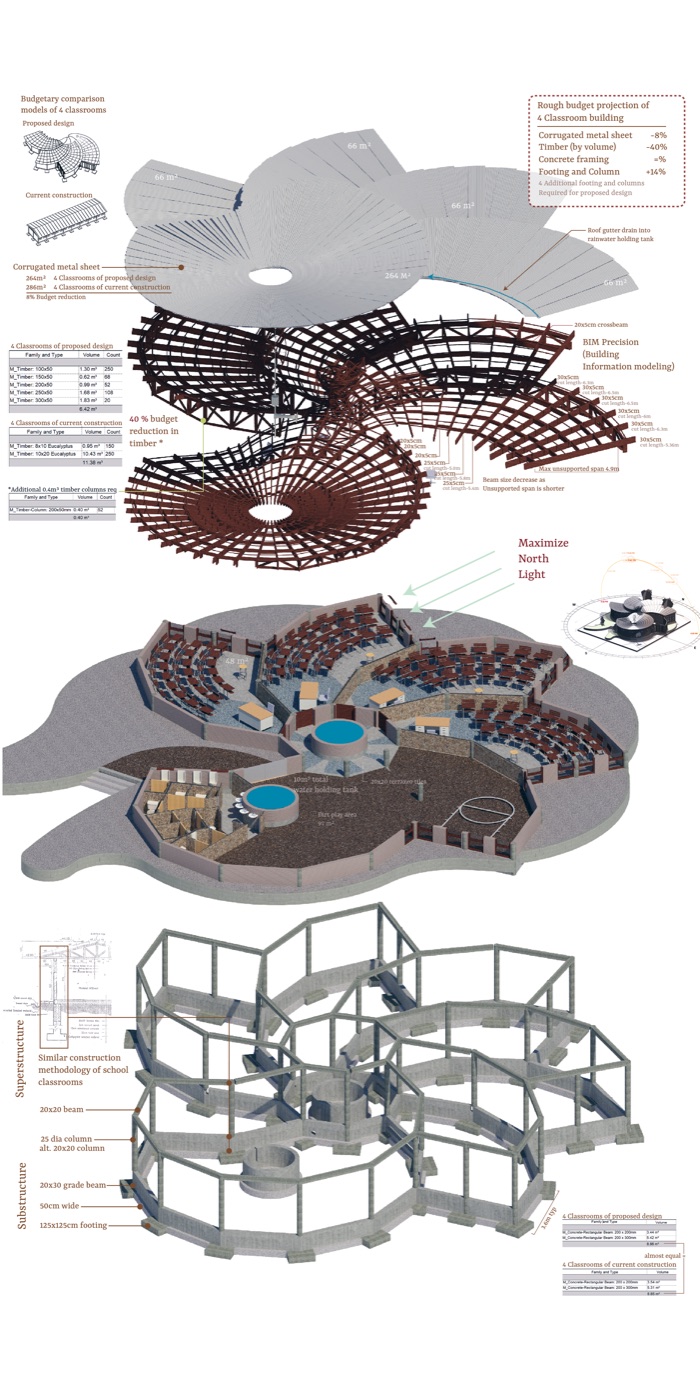
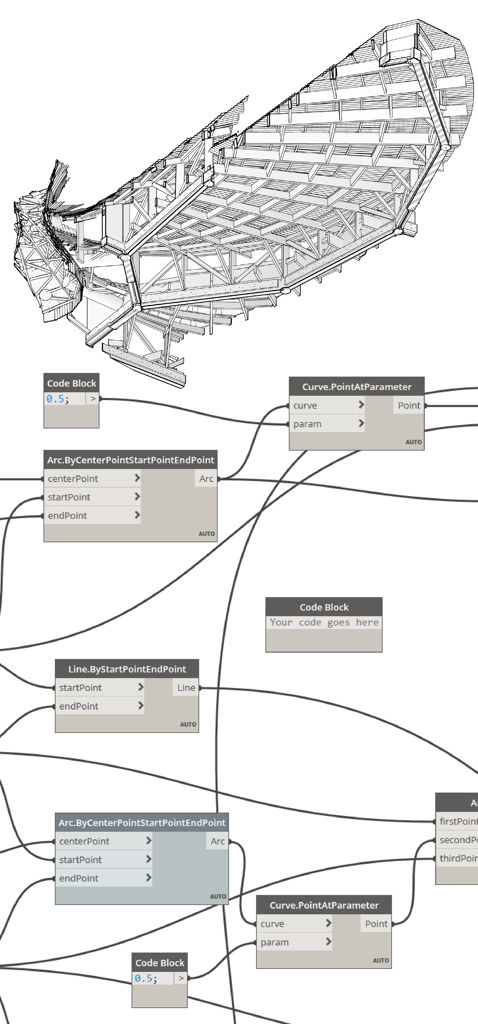
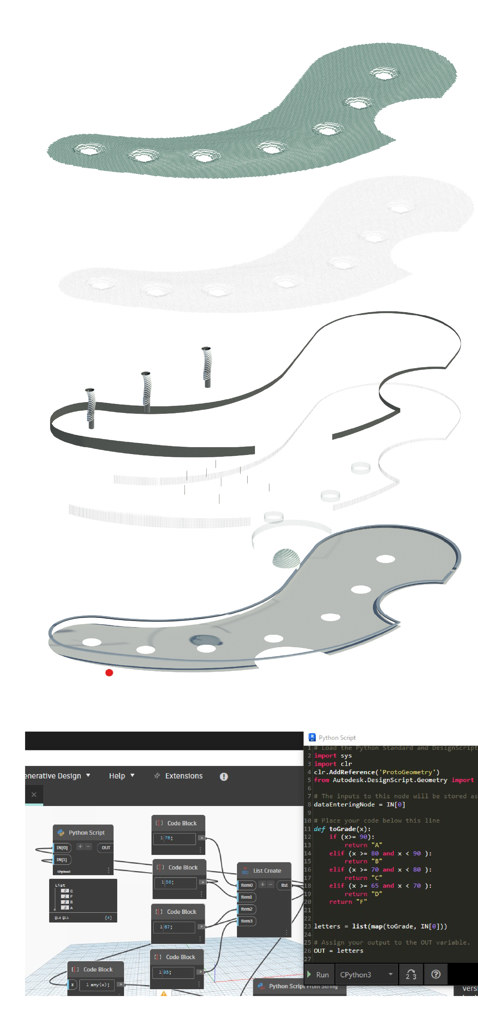
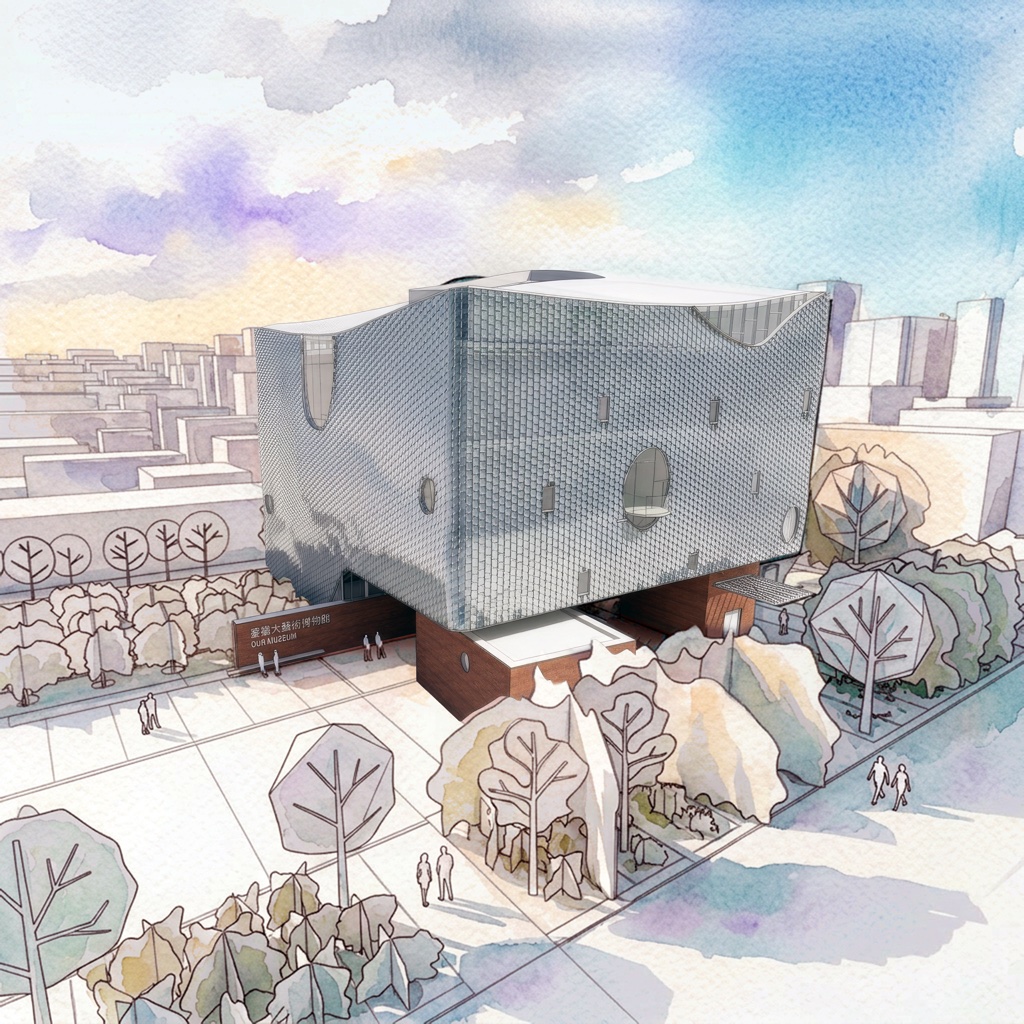
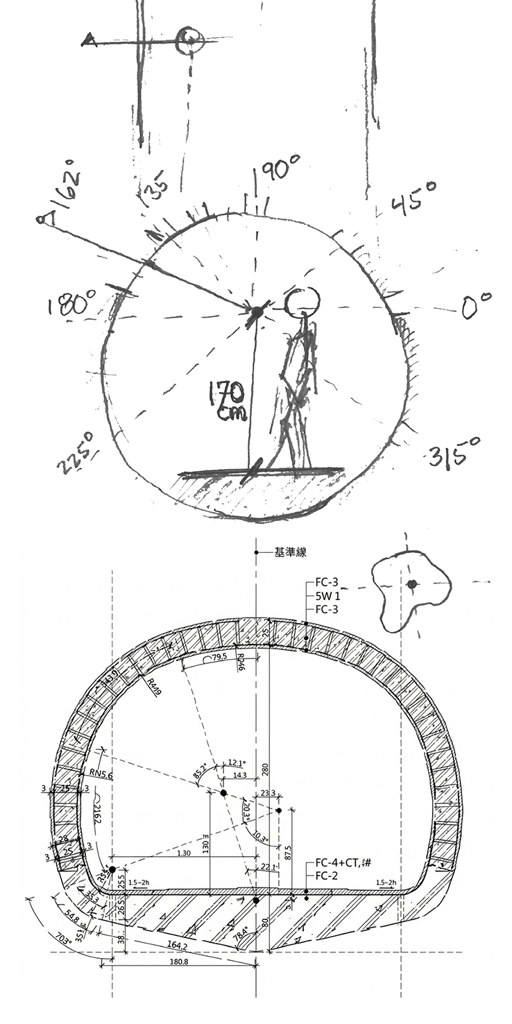
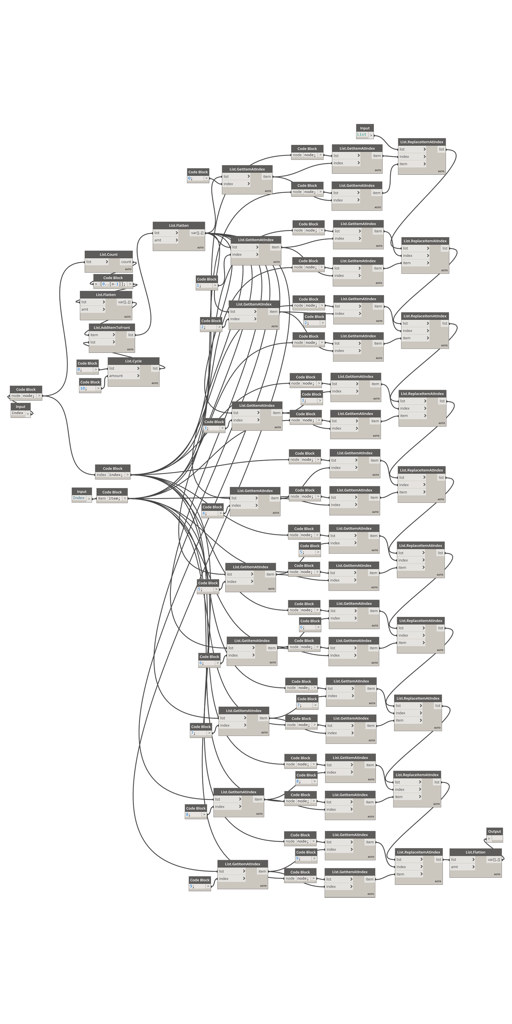
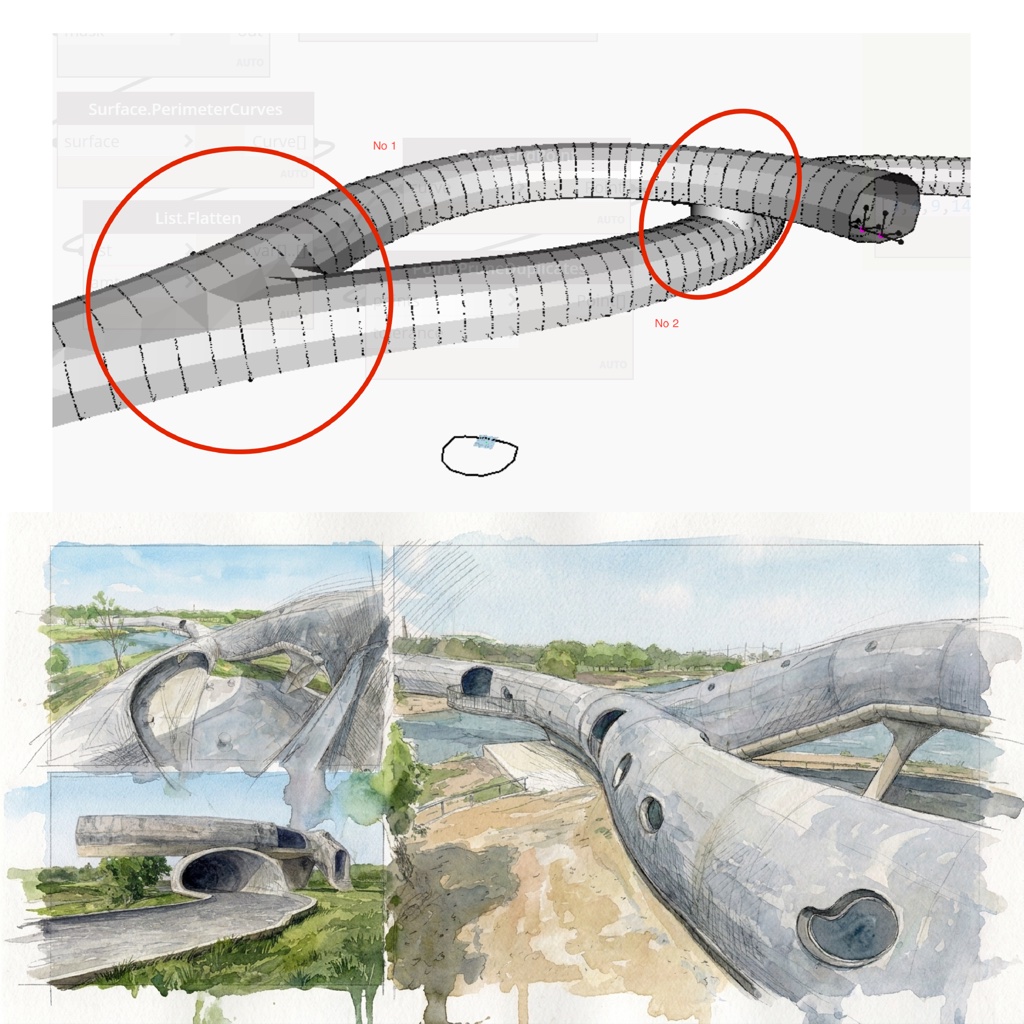
Computational design systems
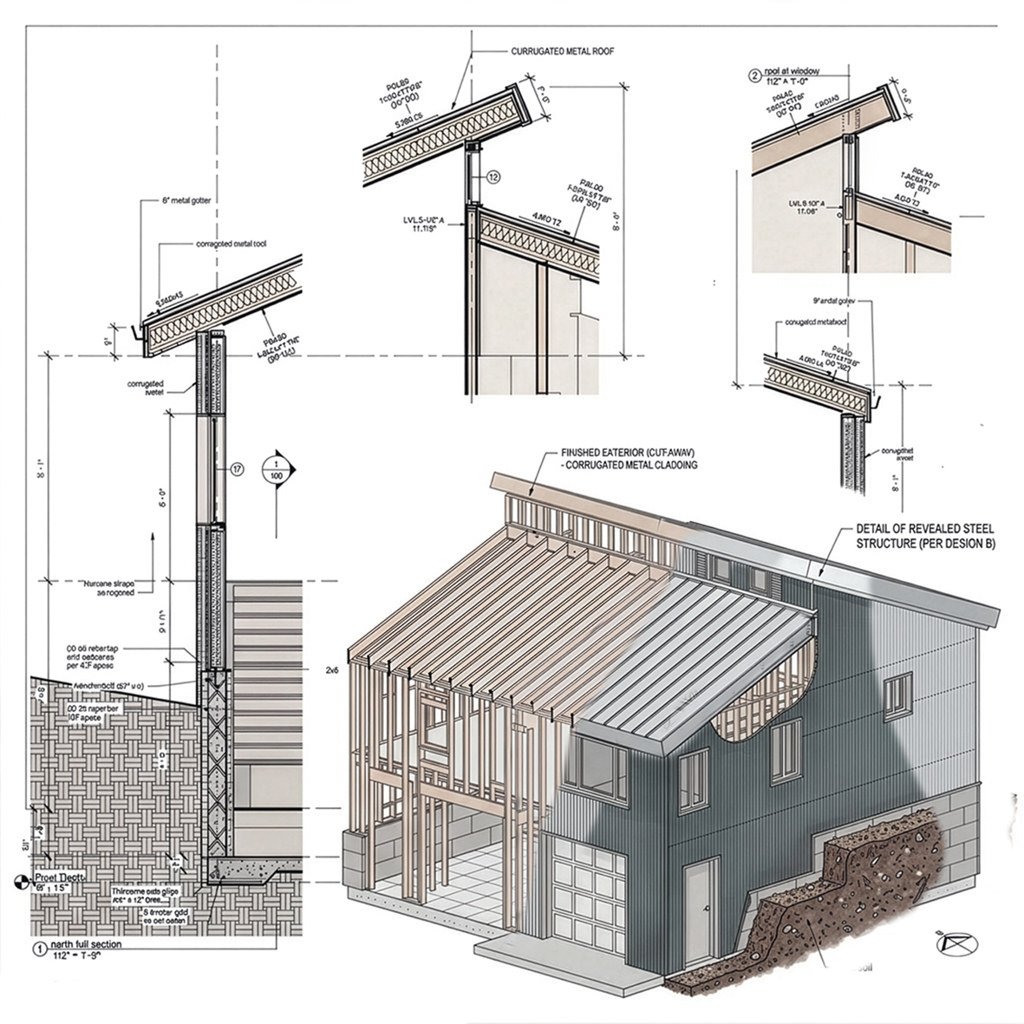
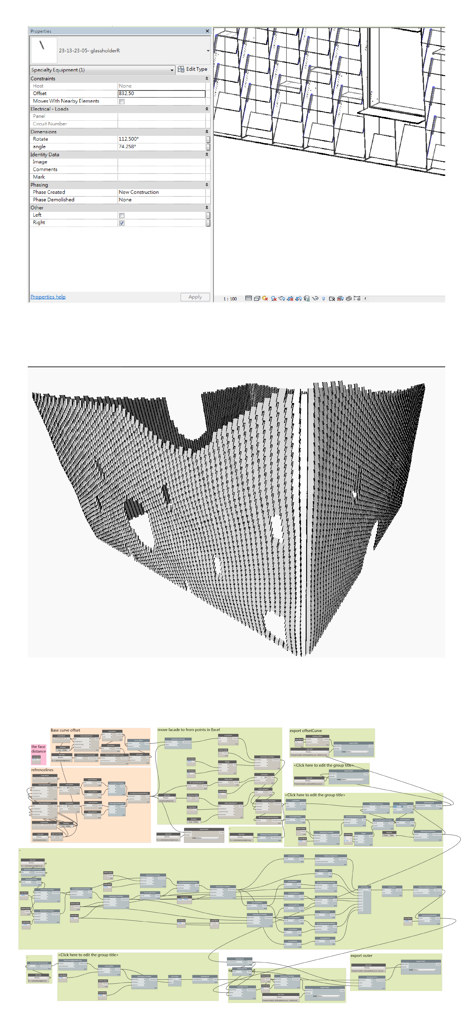
Parametric models that preserve intent: controllable geometry, readable parameters, and predictable behavior.
- Constraint-first setup
- Geometry that stays editable
- Rationalization + documentation
Automation + AI assist (headed)
Rules, parameters, constraints: repeatable intent. AI supports drafting and debugging, but production stays inside Rhino/Revit where you can verify every step.
- Scripted generators & checkers
- Versioned assumptions
- Hand-off ready outputs