← Practical AI for the built environment

Computational Design

Rules, parameters, constraints — repeatable intent.

Not form-finding. Not style. A way to make intent legible and testable so you can iterate without losing control.

Rules
What must remain true.
Parameters
What is allowed to change.
Constraints
What keeps the system honest.
Repeatability
Same inputs → same outputs (until rules change).

Mythologies → mechanisms

Turn fuzzy design beliefs into testable systems: constraints, scripts, and repeatable outputs.

Inputs

Sliders, datasets, tolerances, target metrics.

  • Named parameters
  • Units + ranges
  • Defaults

Logic

Grasshopper graphs + Python nodes that compute deterministically.

  • Readable functions
  • Small composable parts
  • Versioned assumptions

Outputs

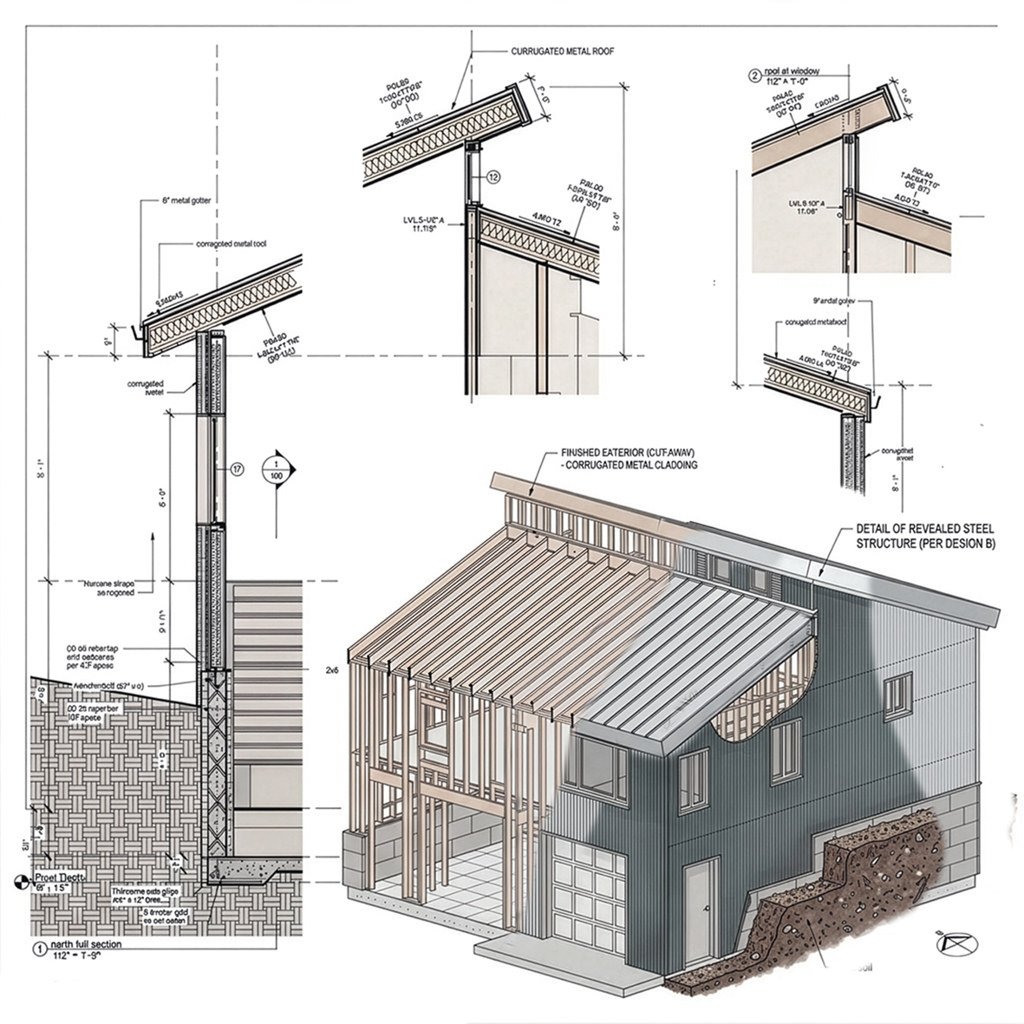
Geometry, drawings, schedules — not just images.

  • Layered linework
  • Quantities
  • Exportable formats

Checks

Constraint validation so the model stays honest under iteration.

  • Edge cases
  • Clashes
  • “Does it still satisfy intent?”

Headed workflow (non‑negotiable)

AI can assist drafting, debugging, and documentation — but production stays verifiable inside Rhino/Revit.

Where AI helps

  • Structure intent into parameters + constraints
  • Generate/debug code
  • Write documentation and checklists

Where verification happens

  • Rhino/Grasshopper or Revit/Dynamo
  • Deterministic scripts
  • Human review pass + standards