Lead
Biomimicry
Nature as model. Learn what living systems already solved, then rationalize it into geometry, structure, and process you can build.
← Practical AI for the built environment
Biomimicry
Biomimicry is not a style layer. It is how Iterative Studio reads form, process, and performance from living systems, then turns those lessons into buildable architecture and working tools.
The practice stays biomimicry-first. Biophilia and bioutilization sit beside it as the human and working sides of the same nature-led method.
Lead
Nature as model. Learn what living systems already solved, then rationalize it into geometry, structure, and process you can build.
Support
Nature as human need. Daylight, greenery, material, and view shape comfort, dwelling, and the way people move through space.
Support
Nature as working component. Living systems that filter, cool, grow, and cycle, put to work inside the project itself.
These projects already carry biomimicry and nature-led thinking, from seed geometry to closed-loop systems.
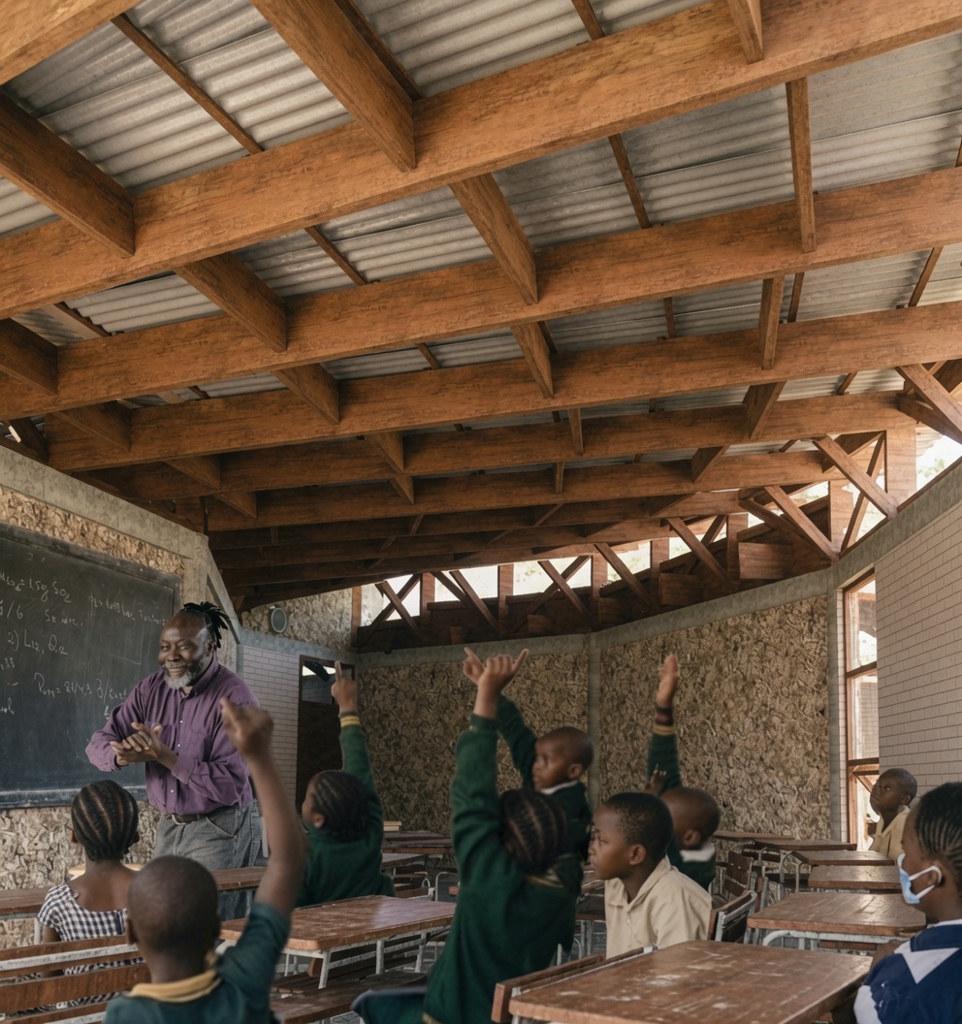
The calla lily seed sets the school's geometry. Classrooms, roof, and circulation grow from one natural model, then resolve into passive light, air, and water.
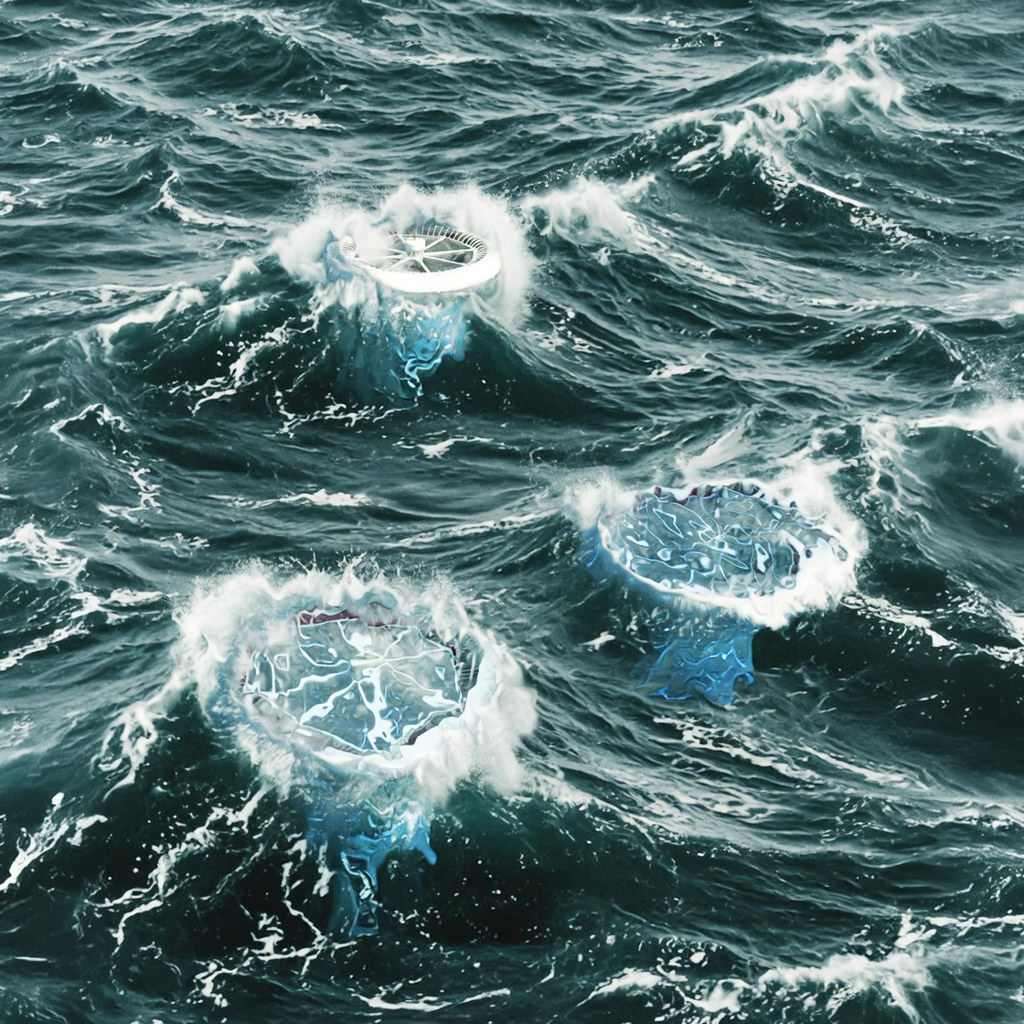
An award-winning systems project that takes biomimicry past the building scale into filtration and product logic.
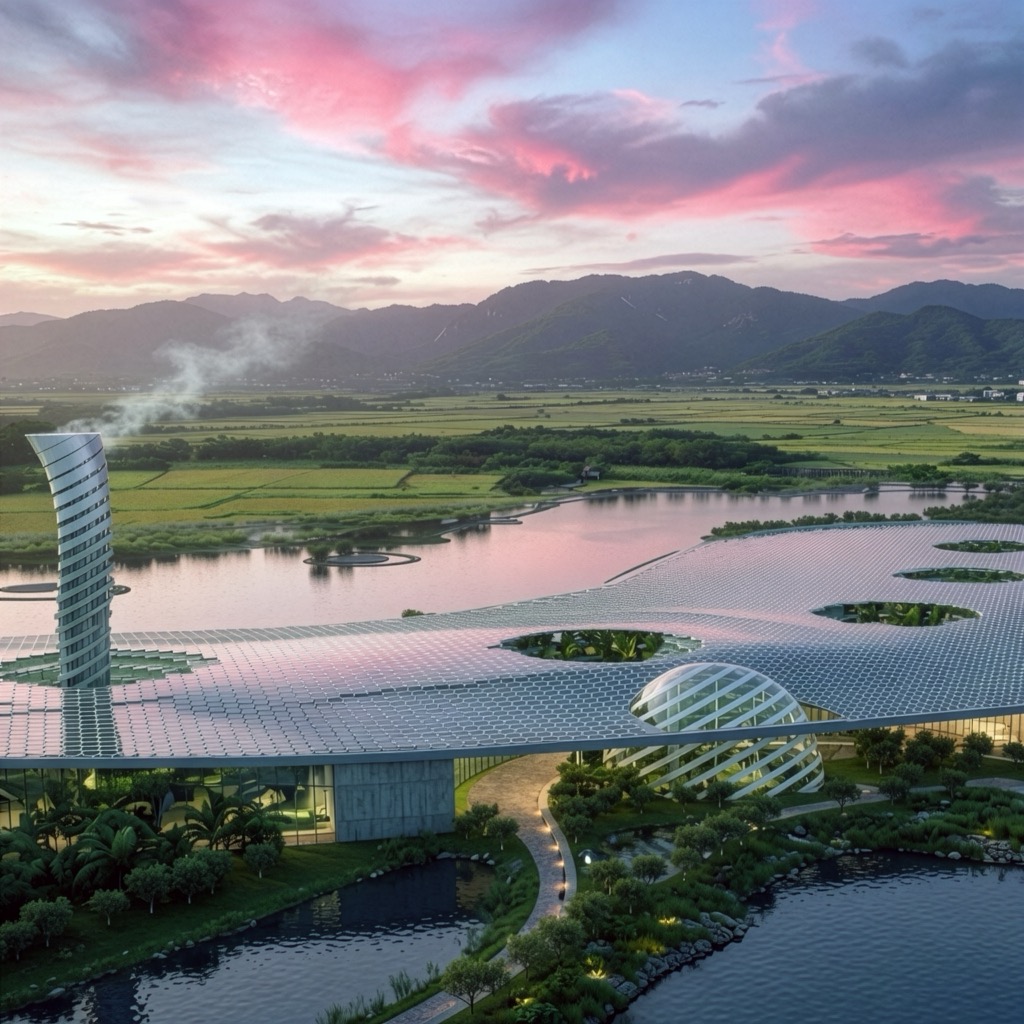
A closed-loop power concept where living-process thinking drives the roof and the energy cycle as one system.
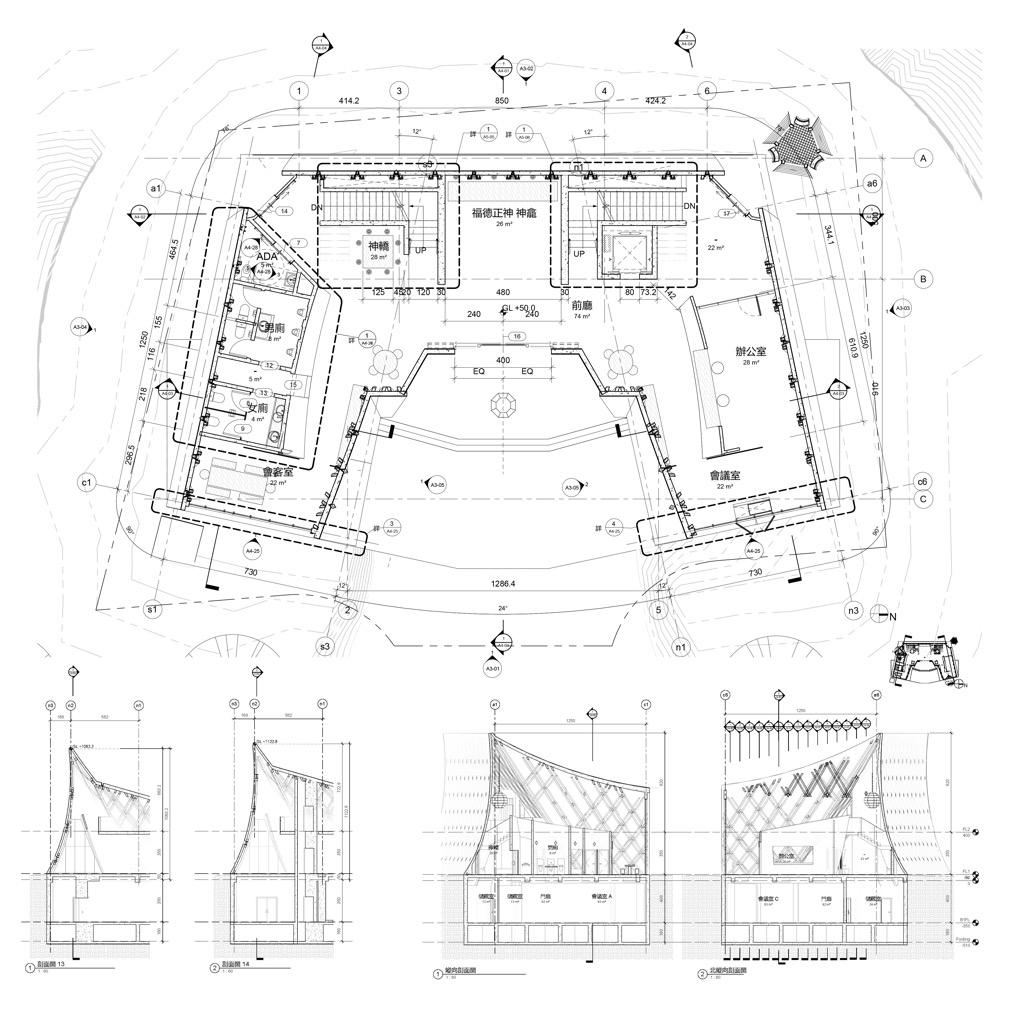
Complex curved walls held like a living surface: continuous, editable, and drawn as a full construction set from the model.
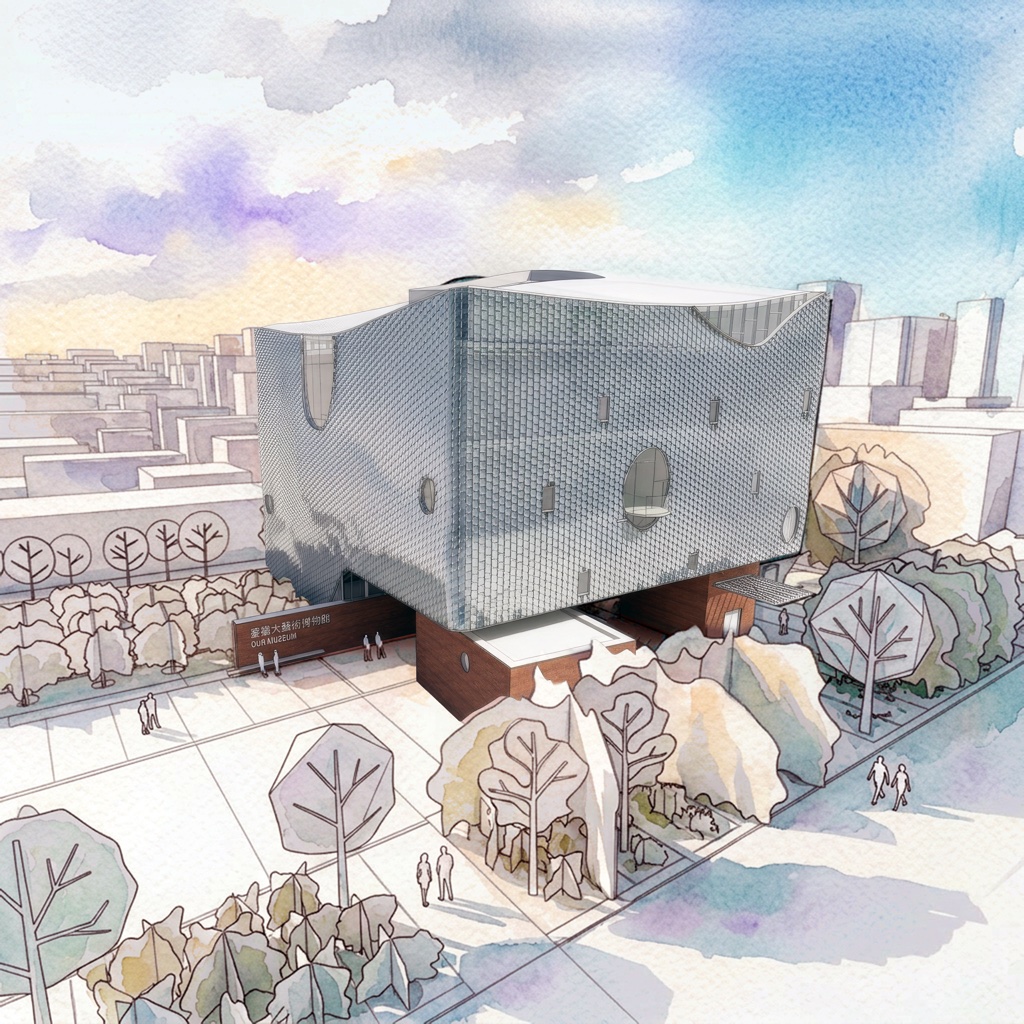
Thousands of uniquely angled panels governed by one rule set, variation without losing buildability.
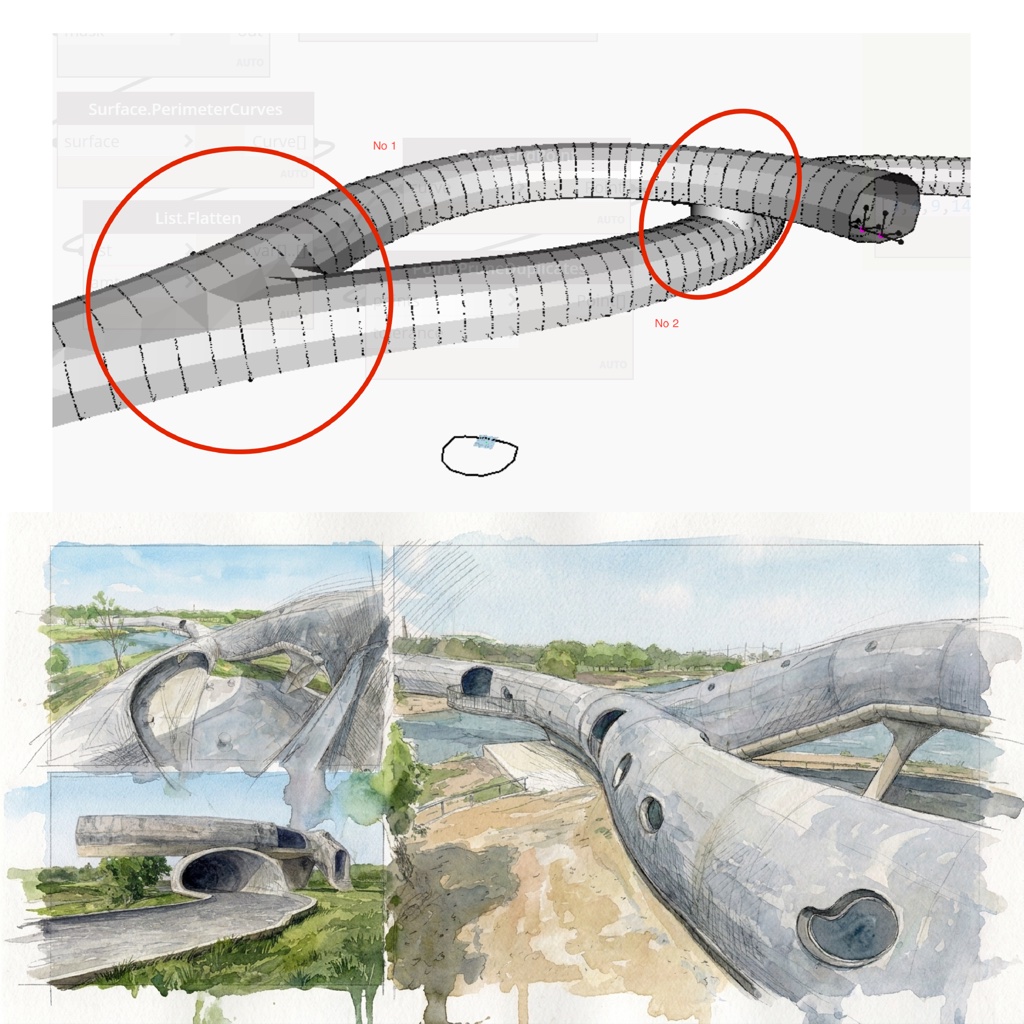
A tubular bridge grown from a single base curve, organic in form and disciplined in construction logic.
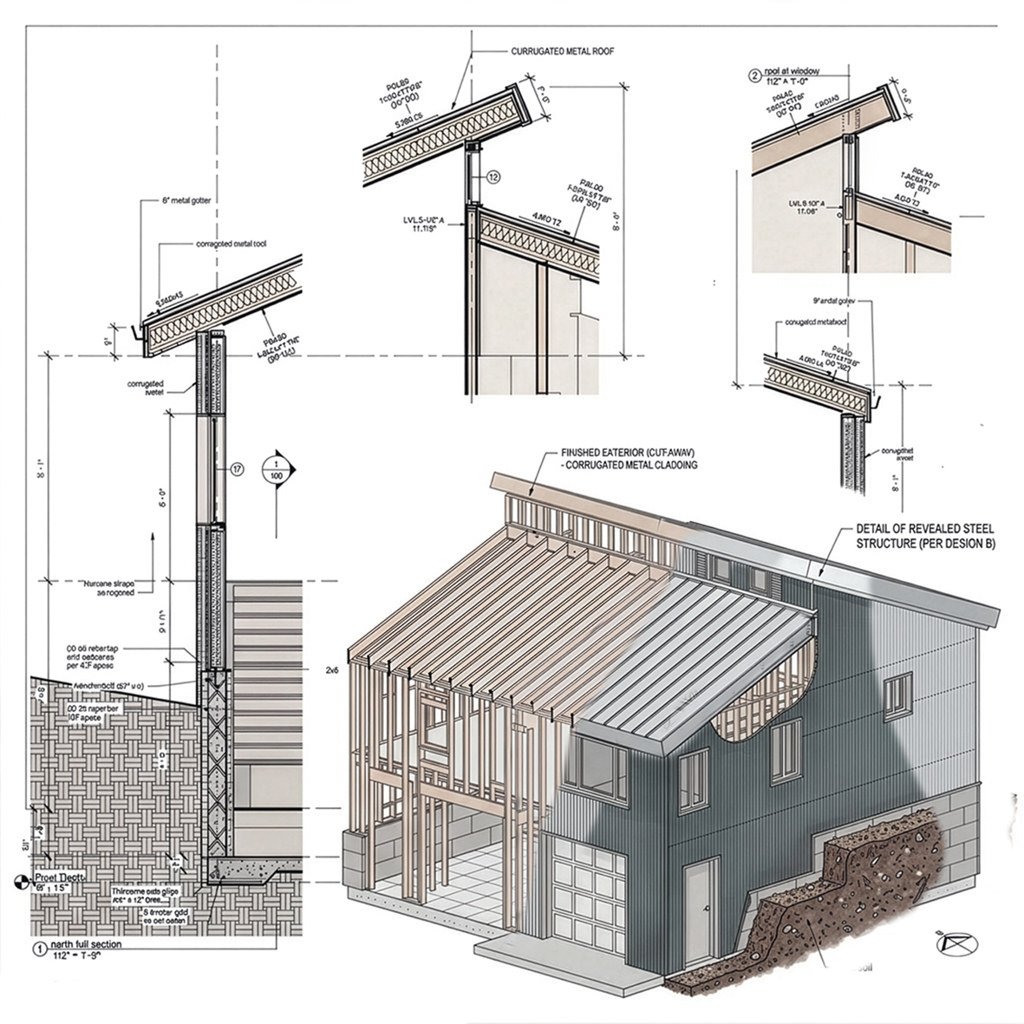
House and pavilion options tested against site, habitat, and greenbelt, so the building lives with the land.
The method is still moving. Current research keeps biomimicry close to live environmental data, filtration systems, and buildable studio tools.
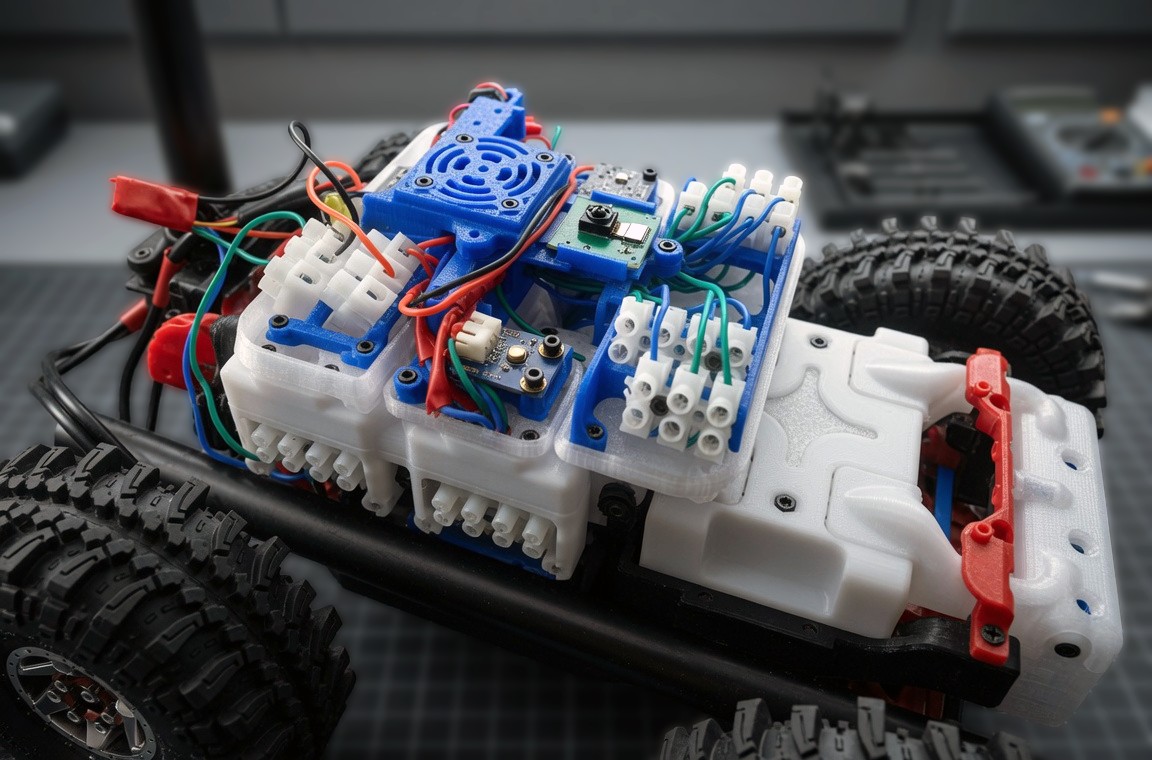
A street-level sensing robot gathering the environmental grain satellites miss, feeding models that learn how heat and comfort move where people actually walk.
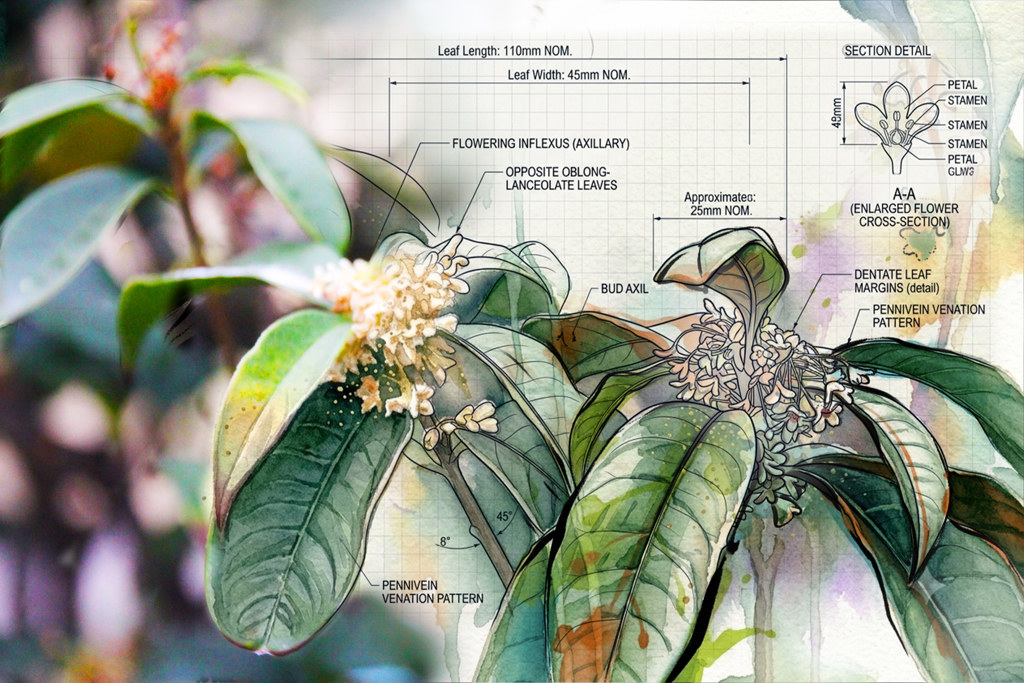
A studio R&D track translating living filtration logic into a next-generation system architecture. Details stay inside the studio while the work matures.
Headed tools help test options. The architect still verifies every decision in Rhino and Revit.